
New exhibition - Harbour of Theodosius
Hidden beneath the streets of modern Istanbul lay the forgotten Harbour of Theodosius, one of the greatest archaeological discoveries of the twenty-first century. This exhibition follows the excavation of its thirty-seven Byzantine shipwrecks and explores what they reveal about trade, shipbuilding, and everyday life in the Byzantine world.
Welcome to the Silk Road Virtual Museum Experience
To start your journey choose a category, select a destination from the map or view the alphabetical list below.
Hubs
Locations Map

Afterlives Along the Silk Road
Death was a fate suffered by everyone who lived and travelled along the Silk Road. What happened next, depended on...

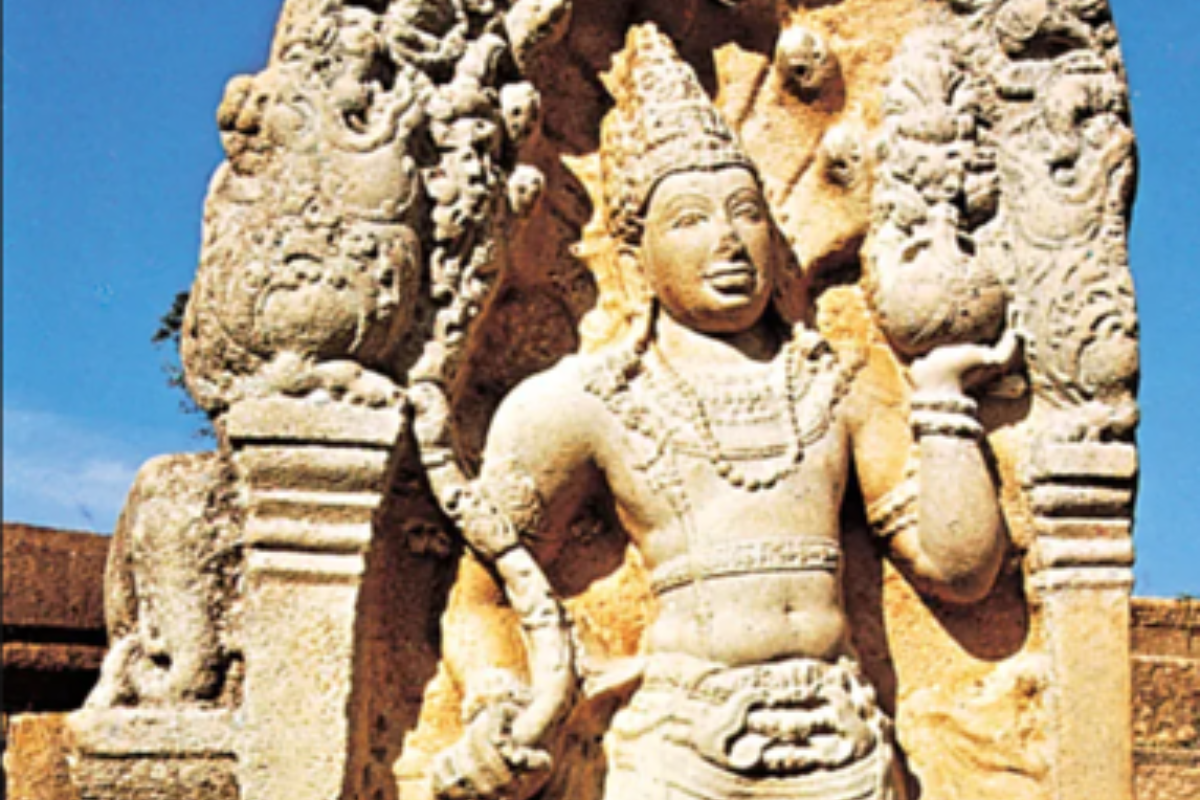
Anuradhapura Kingdom
Discover Anuradhapura, Sri Lanka’s first great capital and a centre of Buddhist devotion, royal power, and hydraulic innovation. This exhibition...
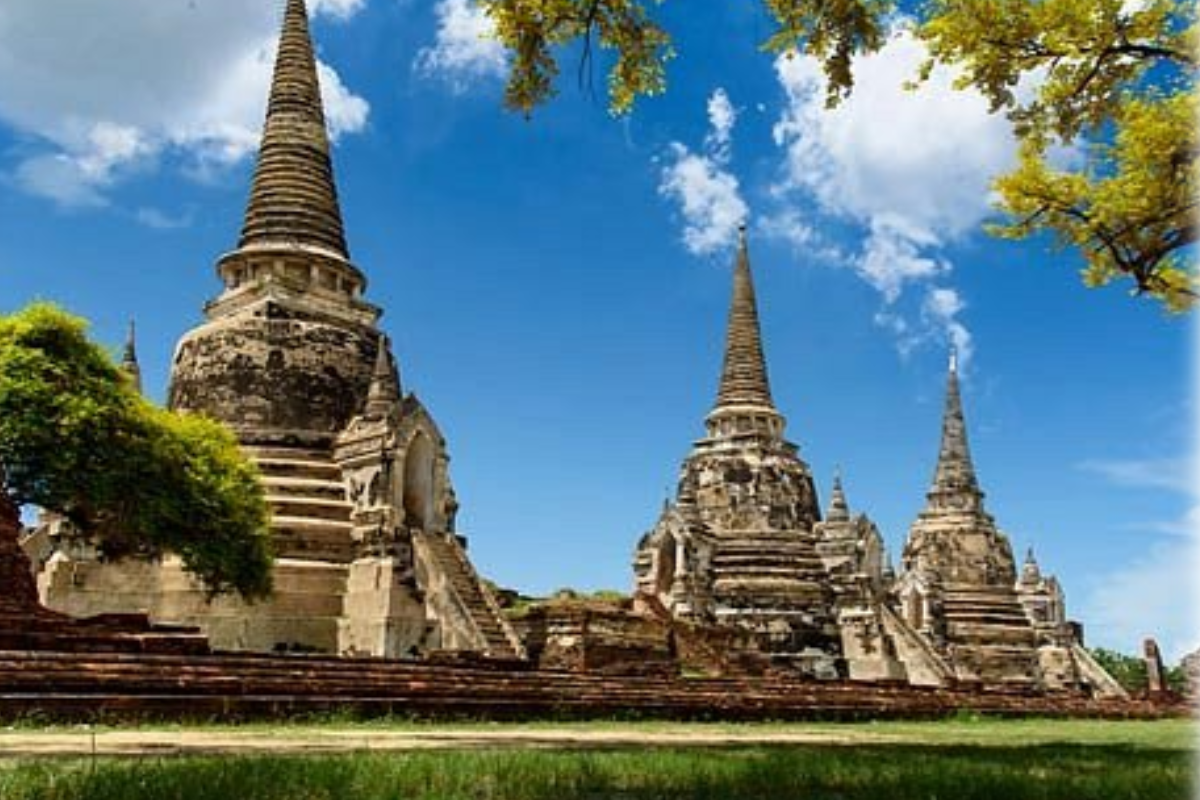
Ayutthaya Kingdom
Explore the world of Ayutthaya, a powerful Thai kingdom that flourished between 1350 and 1500.

Byzantium (1262-1453)
Between its reconquest in 1261 and its final capture by the Ottomans in 1453, Constantinople remained the capital of the...


Byzantium 5th-10th Centuries
From 330 to 1000 CE, the Byzantine Empire, with Constantinople as its capital, stood as a formidable force. Its mosaics...
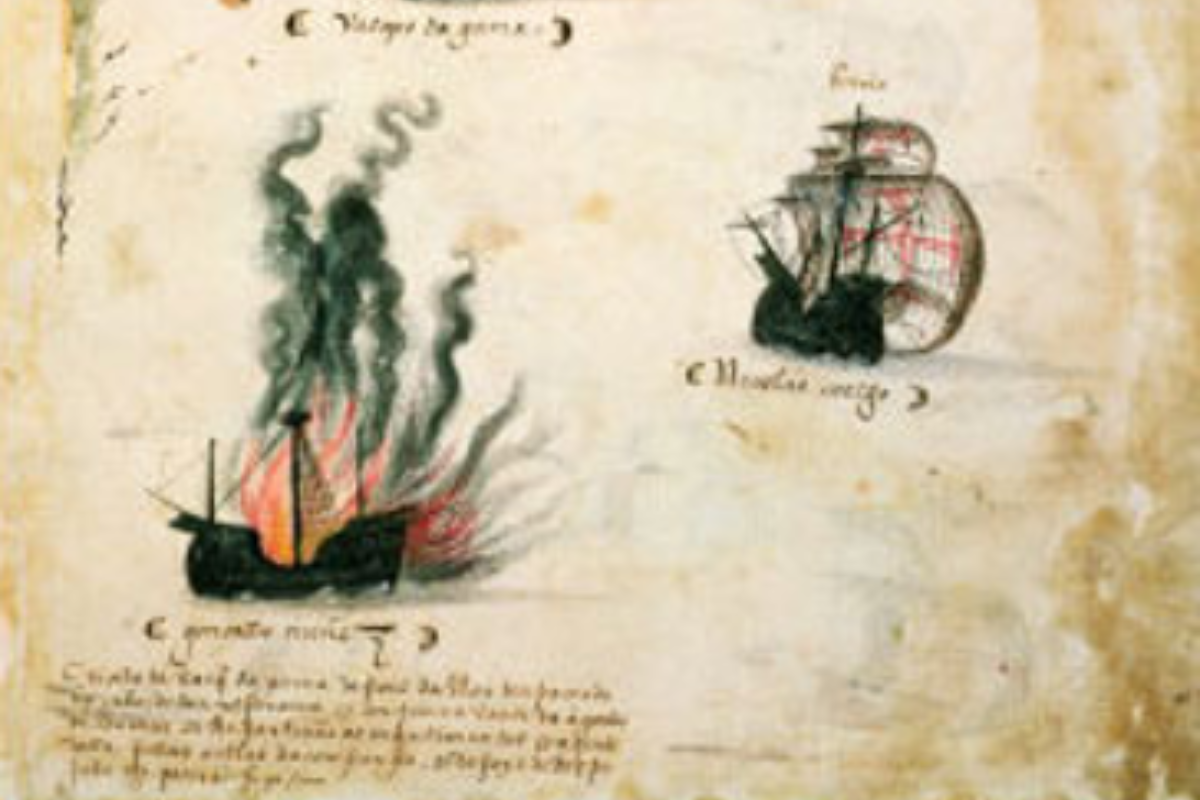
Calicut 1498
Long before Vasco da Gama’s arrival, Calicut thrived as the Indian Ocean’s busiest port, drawing merchants from Arabia, Persia, Africa,...

Caravanserai (0-1500)
Merchants and travelers along the Silk Road faced many dangers, but for stretches of the journey they could rely on...
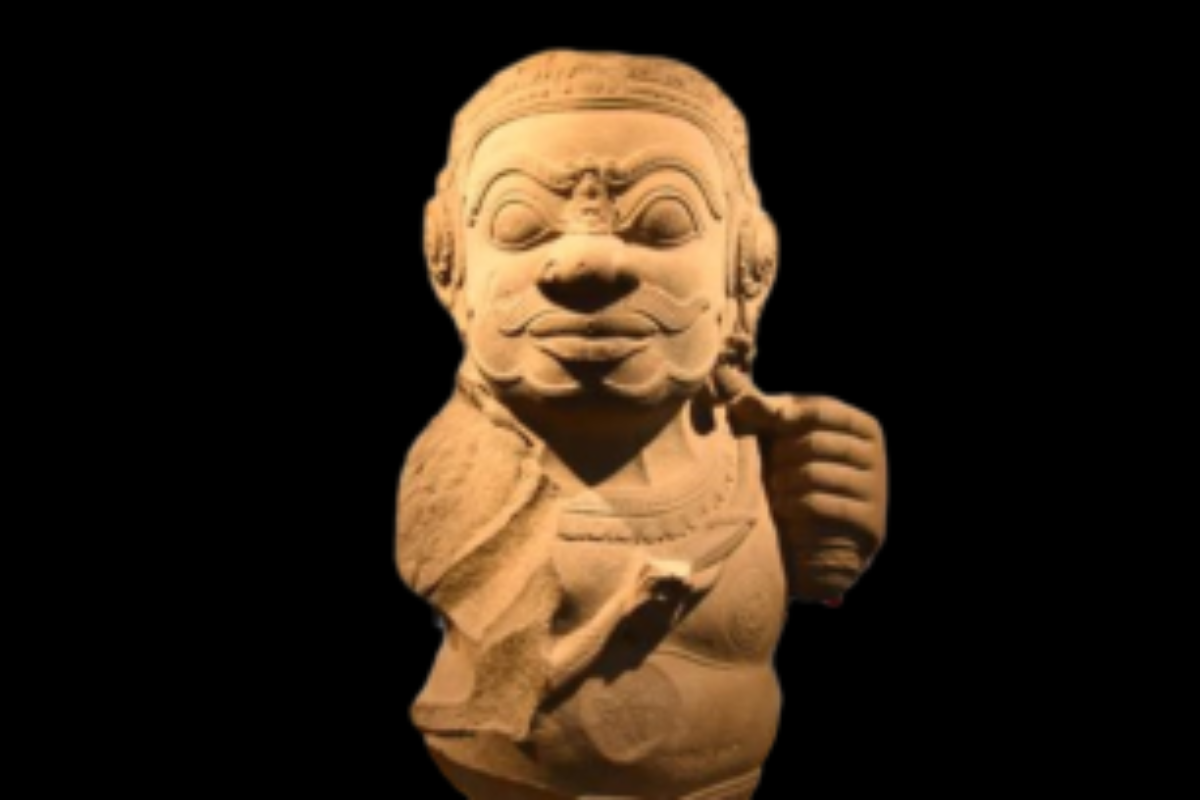
Champa
Champa flourished for over a millennium along Vietnam’s central coast, blending Indic, Khmer, and later Buddhist influences. This exhibition showcases...

Chess Along The Silk Road
The modern game of chess is a perfect example of cultural exchange along the silk roads. Starting in the North-West...

Chinese Ceramics
This exhibition spans nearly a thousand years of Chinese ceramics. An introductory gallery sets the foundations, followed by four rooms...
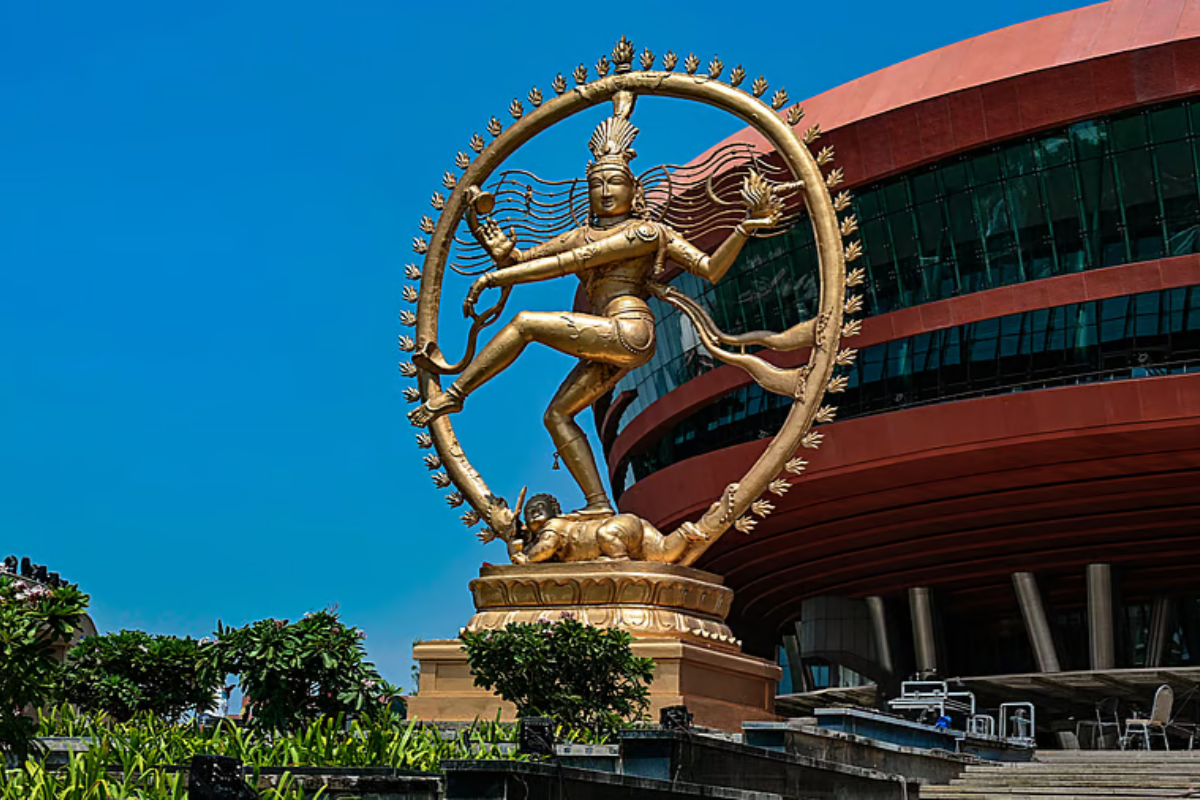
The Chola Empire
The Chola Empire exhibition explores the sacred bronzes of South India’s Chola dynasty, where gods were imagined not as distant...
Cilicia (1226-1375)
Cilicia was a Christian Armenian kingdom situated in an area broadly comparable the south-eastern borders of Turkey with the Mediterrean.
Cirebon Shipwreck
The Cirebon shipwreck carried a dazzling cargo—but our exhibition tells a different story. We focus on what was lost: archaeological...

Early Ming Dynasty China (1368-1450)
Mongols had ruled China since 1271 but plague, disease and increasing demands on the population led to discontent and revolt....

Early Ottoman Art
This exhibition follows the Ottomans from a frontier beylik to a rising imperial power, revealing how a distinct artistic language...
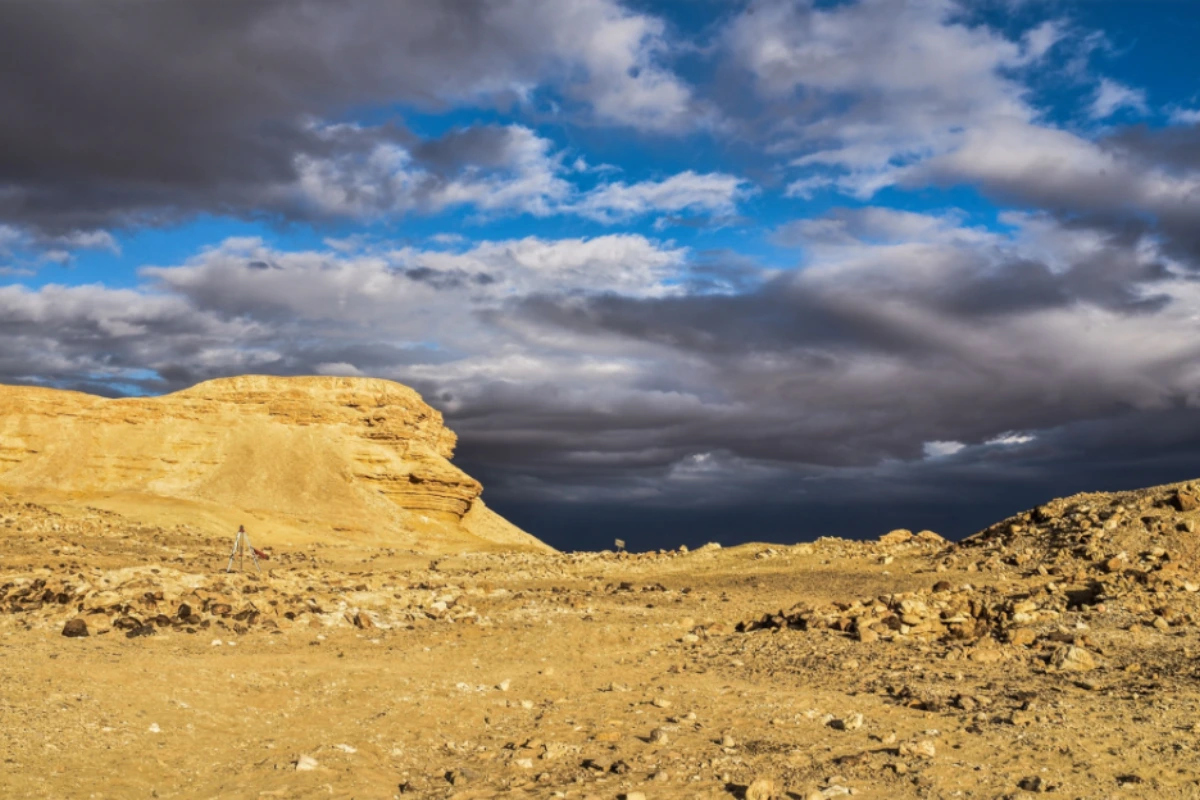
From Trash to Treasure- Nahal Omer
This special exhibition, developed in collaboration with the archaeologists who conducted the recent excavations, explores the Early Islamic site of...

Gandhara
Between the 2nd and 5th centuries CE, Gandhara flourished where India, Persia, and the Greco-Roman world converged. Here, sculptors gave...

Golden Horde
When the great Mongol leader, Ghangis Khan, died in 1225, he divided his empire among his four grandsons. Batu was...

The Gupta Empire
The Gupta Empire flourished in northern India from c. 320 to c. 550 CE. During this period, political stability supported...
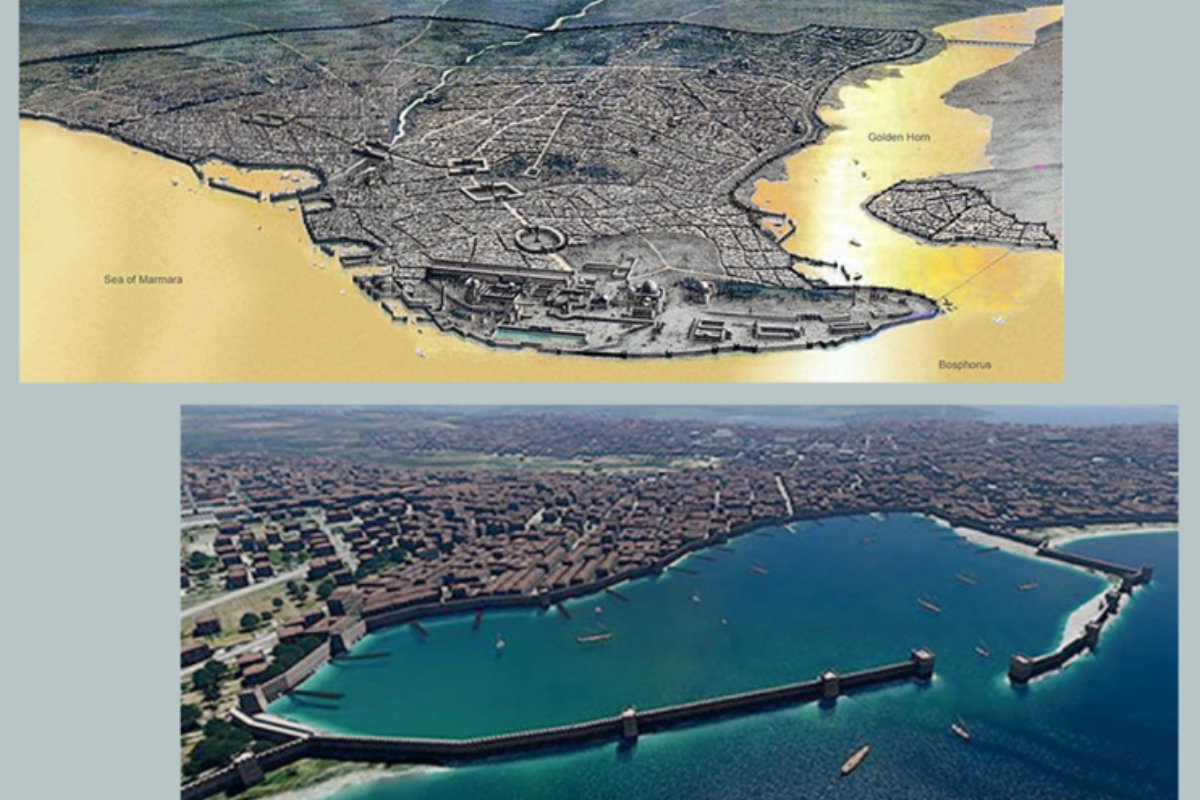
Harbour of Theodosius
Hidden beneath the streets of modern Istanbul lay the forgotten Harbour of Theodosius, one of the greatest archaeological discoveries of...

Heavenly Horses
Horses hold a distinguished place in Chinese culture, symbolizing power, speed, and celestial favour. Known as “heavenly” for their to...

Hormuz
Once a vital link between Persia, India, Arabia, and China, Hormuz thrived on trade and cultural exchange. This exhibition blends...
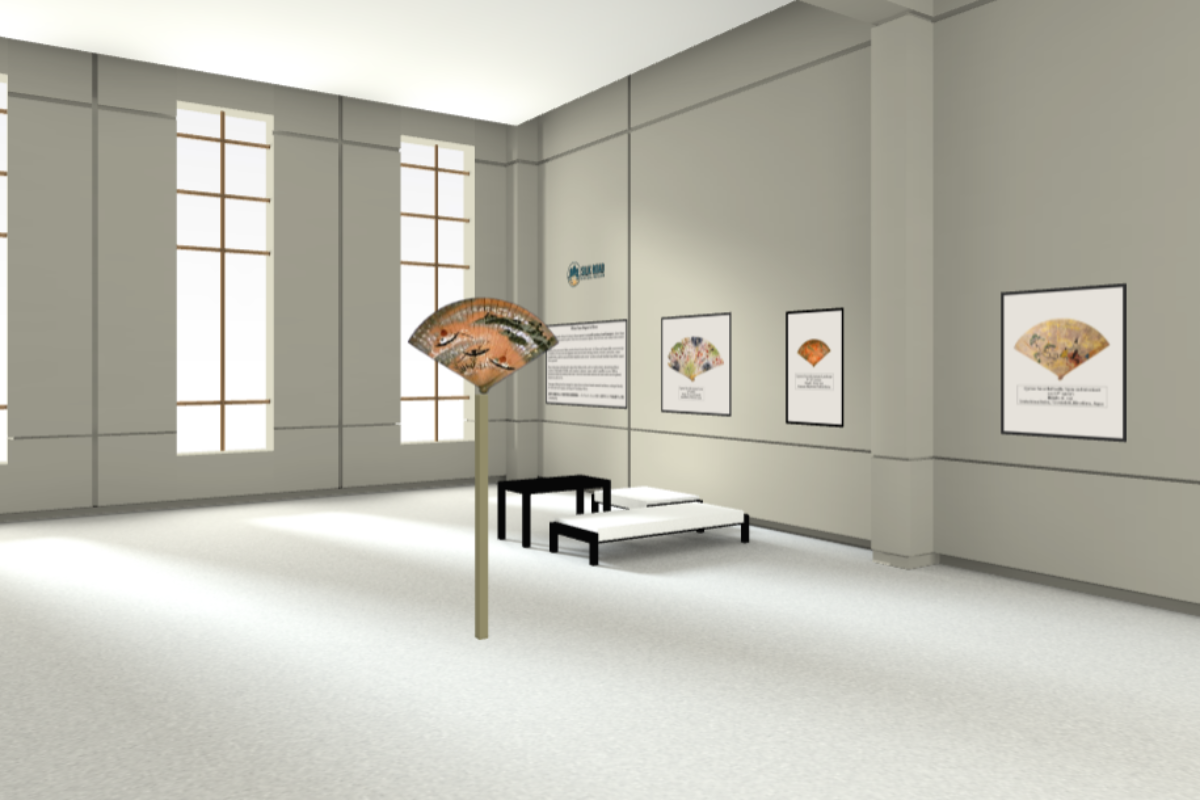
Japanese Folding Fans
Crafted from delicate bamboo and paper, Japan’s rare pre-1500 folding fans offer an exquisite look into medieval court culture. This...

Khotan Kingdom
Situated on the southern edge of the Taklamakan Desert, the Kingdom of Khotan was founded around 300 BCE and flourished...

Lacquer Across East Asia
This exhibition introduces the materials and methods of lacquer work. Made from the sap of the lacquer tree, the surface...

Liao Dynasty (907-1125CE)
The Liao Dynasty (907–1125), also known as The Khitan Empire, was a powerful nomadic state founded by the Khitan people...
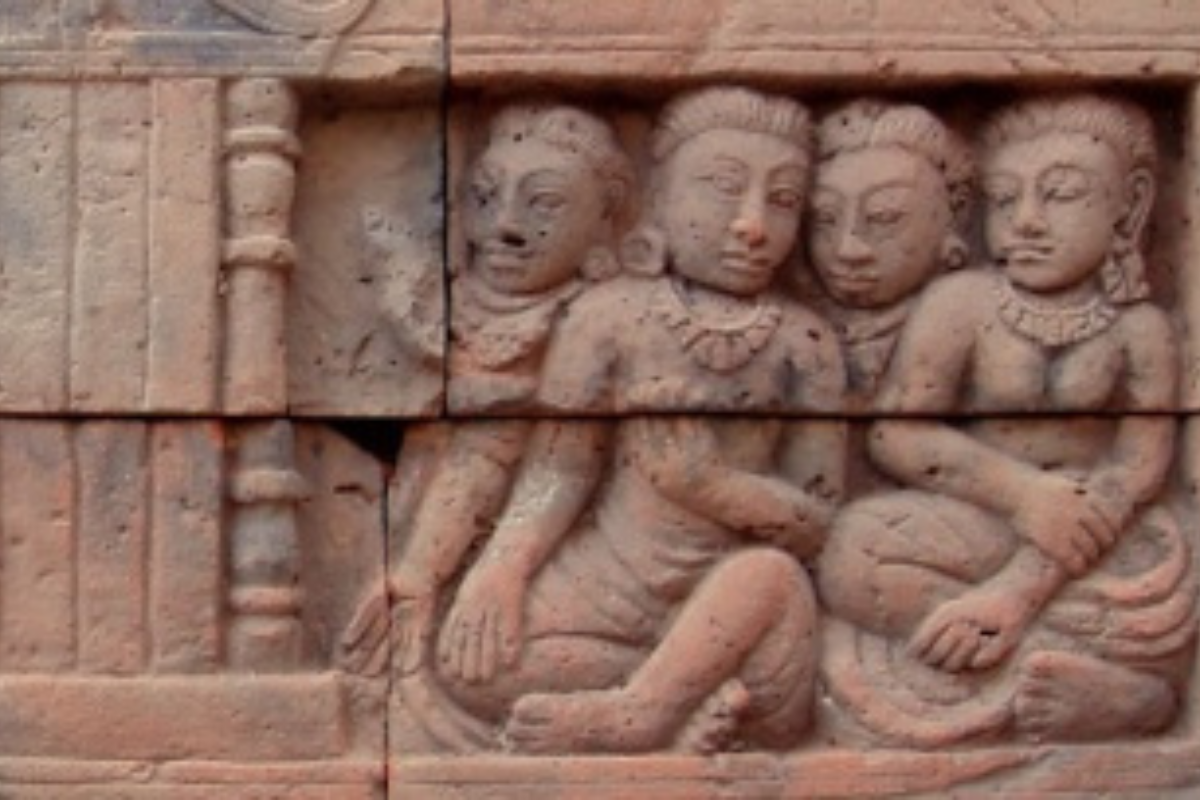
Majapahit Empire
The Majapahit Empire (1293–1500) was a powerful Buddhist–Hindu kingdom based in Java, whose influence extended across much of Southeast Asia.
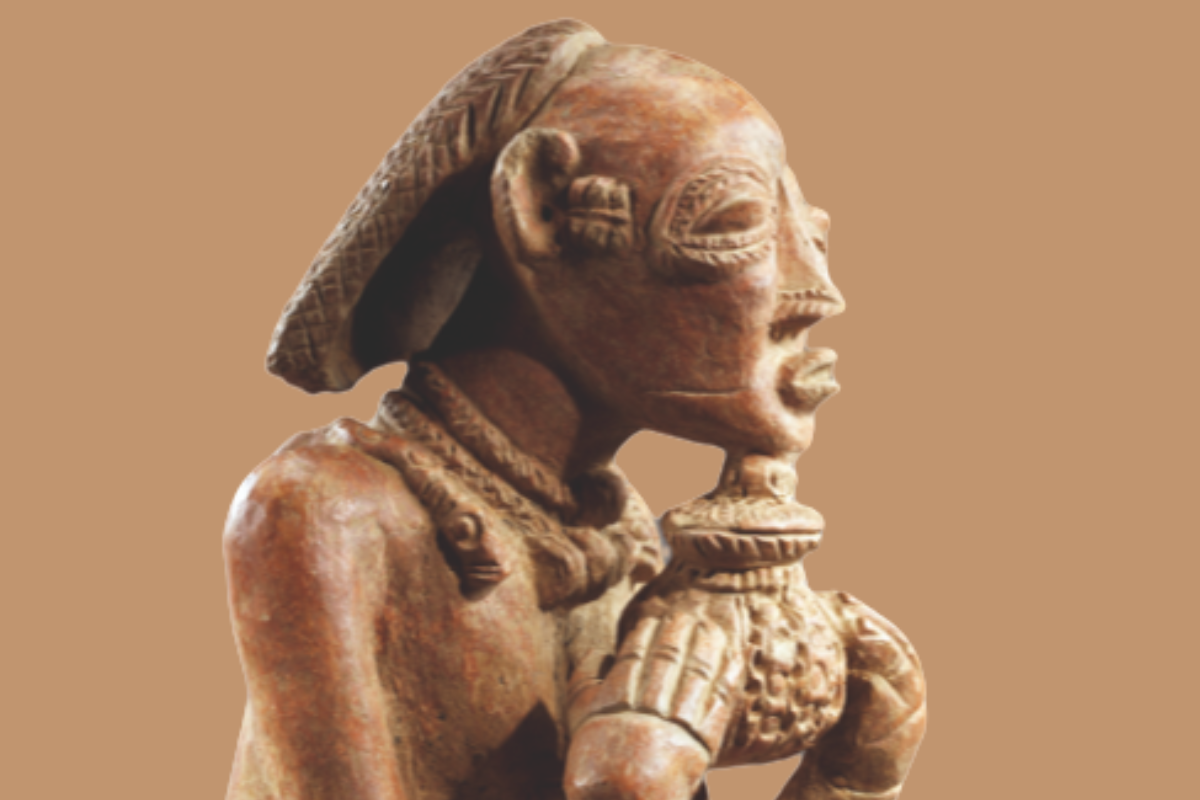
Mali
The Mali Empire (c. 1235-1470) expanded from the upper Niger River to dominate West Africa. It’s power rested on control...

The Mamluk Sultanate
The Mamluks, warrior-slaves who rose to become rulers of Egypt and Syria for two and a half centuries, left behind...

Map Room 700-1500 CE
This exhibition shows world maps created between 700CE and 1500CE. But which worlds do they show – history, culture, religion...
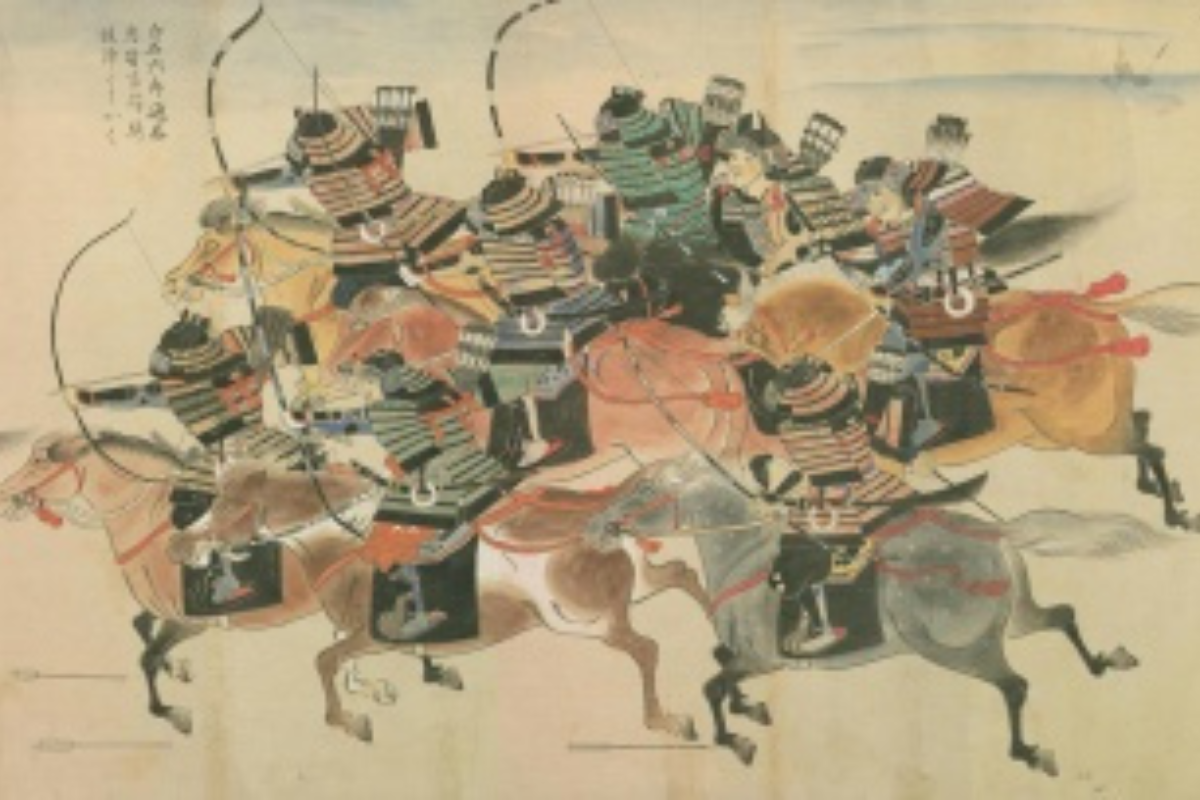
Mongol Invasion of Japan
In the 13th century, the Mongols launched two invasions of Japan—both repelled by typhoons later called kamikaze, or “divine winds.”...
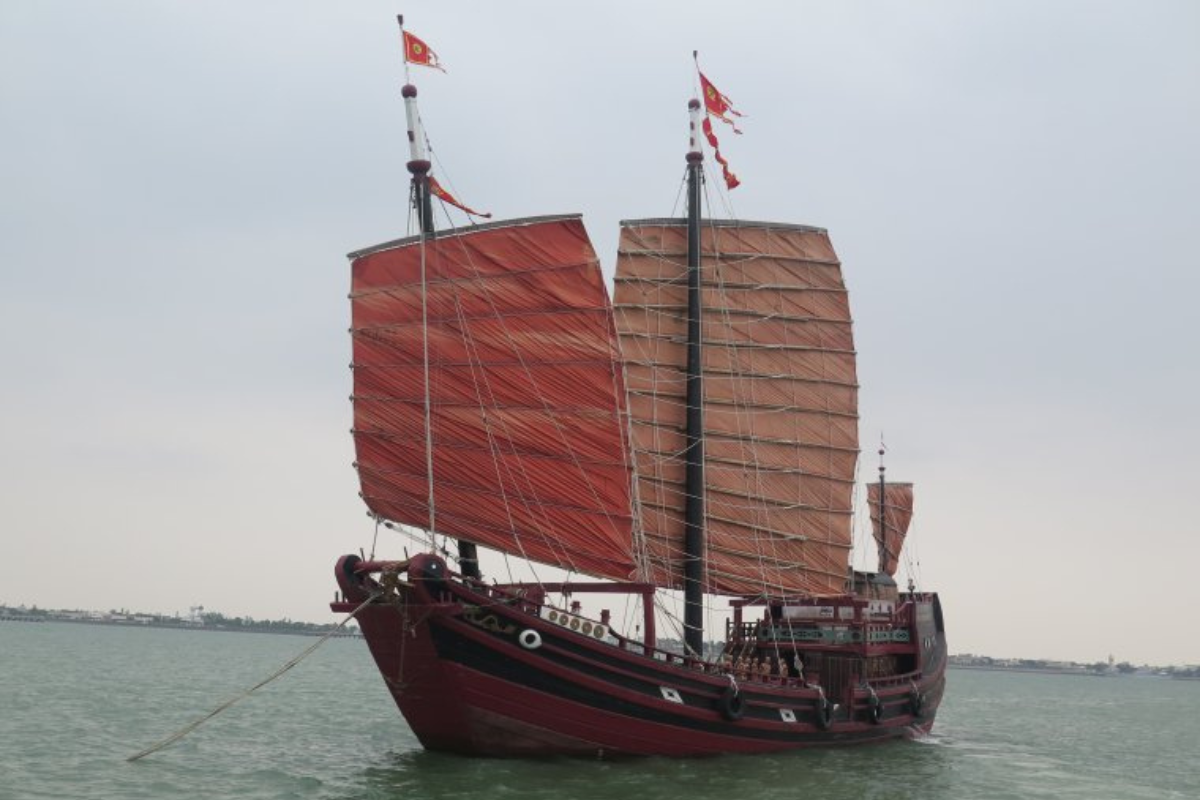
Nanhai One
Discovered off the coast of Guangdong in 1987, the Nanhai One is a Southern Song merchant vessel preserved beneath the...
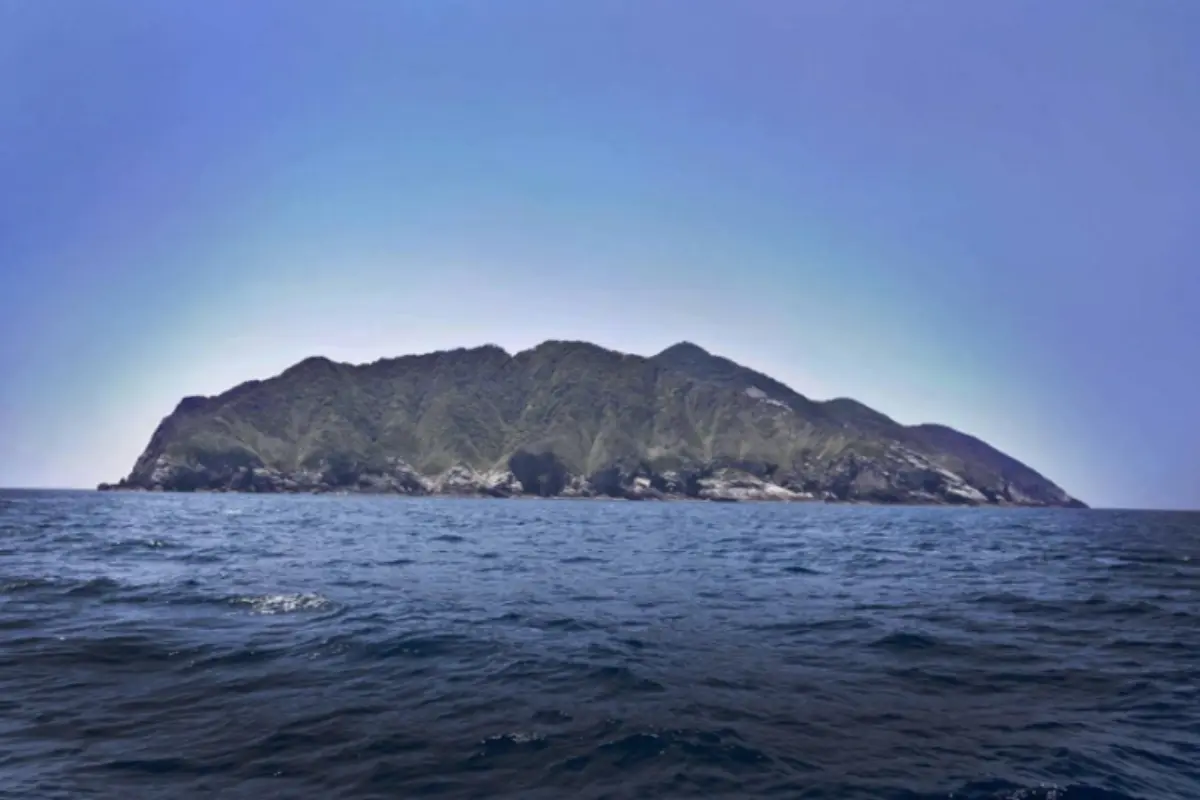
Okinoshima (500-1000)
Okinoshima is a remote island shrine where ancient mariners between Japan and China once sought divine protection. Long hidden from...

The Pala Empire
The Pala Empire was the last great Buddhist kingdom of India and a centre of learning, pilgrimage, and artistic innovation....
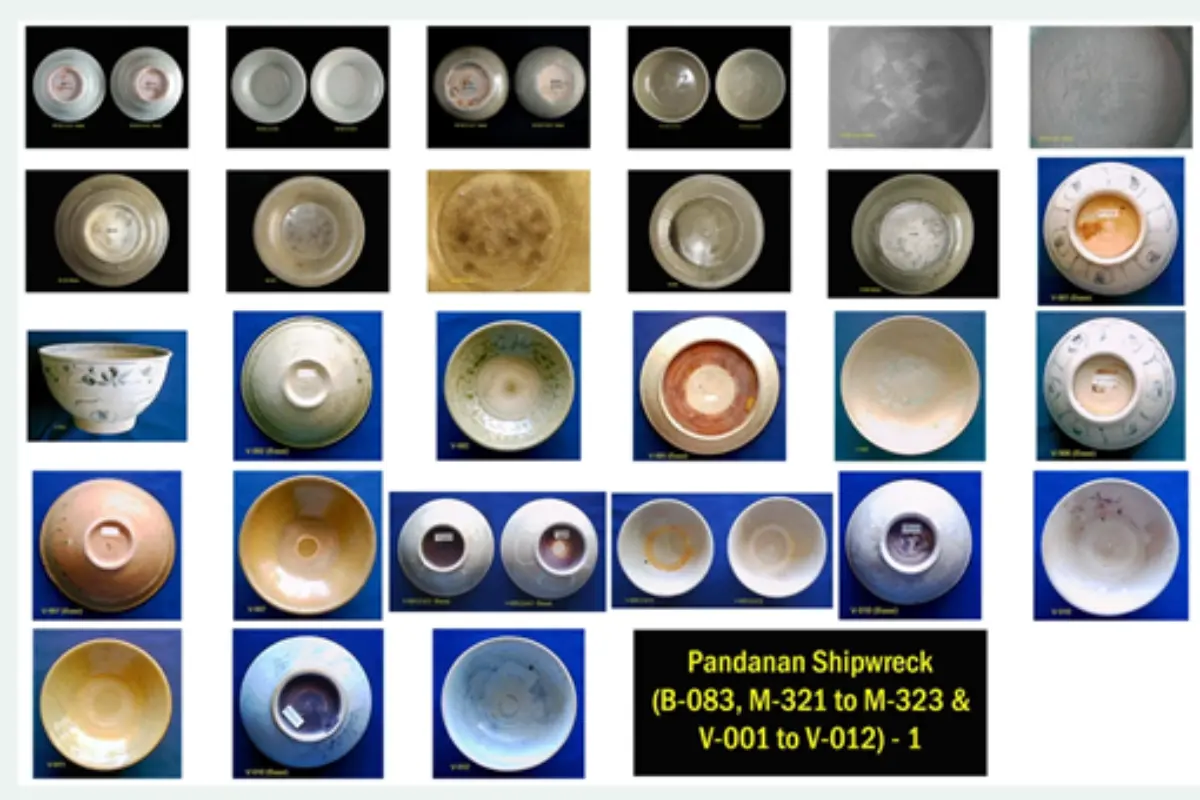
Pandanan Shipwreck
Found off Palawan, the Pandanan wreck offers a rare glimpse into 15th-century maritime commerce. Carrying mostly Cham (Vietnamese) ceramics, Chinese...
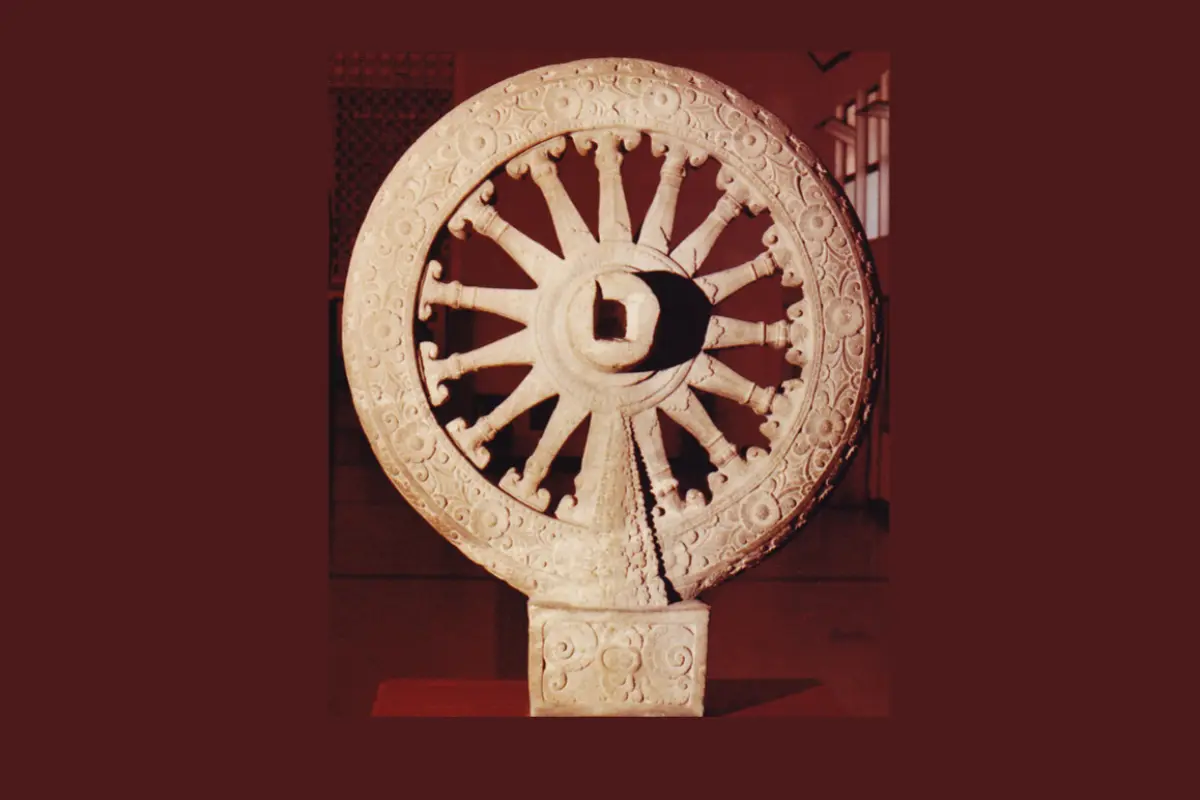
Phanom-Surin Shipwreck
Discovered inland in 2013, the Phanom-Surin wreck is a rare, nearly intact 9th-century vessel linked to the Dvaravati culture of...
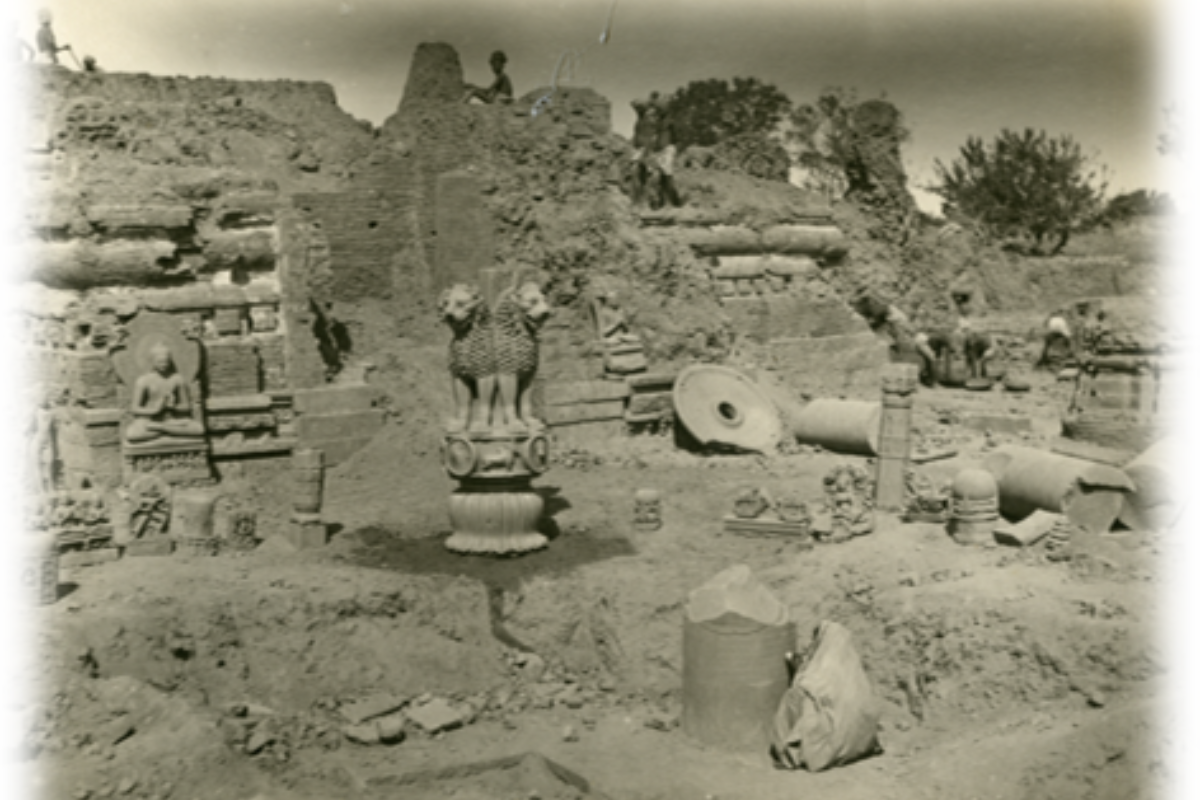
Sarnath
Identified in the late eighteenth century as the site of the Buddha’s first sermon, Sarnath was systematically excavated from the...

Sasanian Empire (224-651)
The Sasanian dynasty ruled for over four centuries from 224 to 651CE. At its peak the Empire encompassed all of...
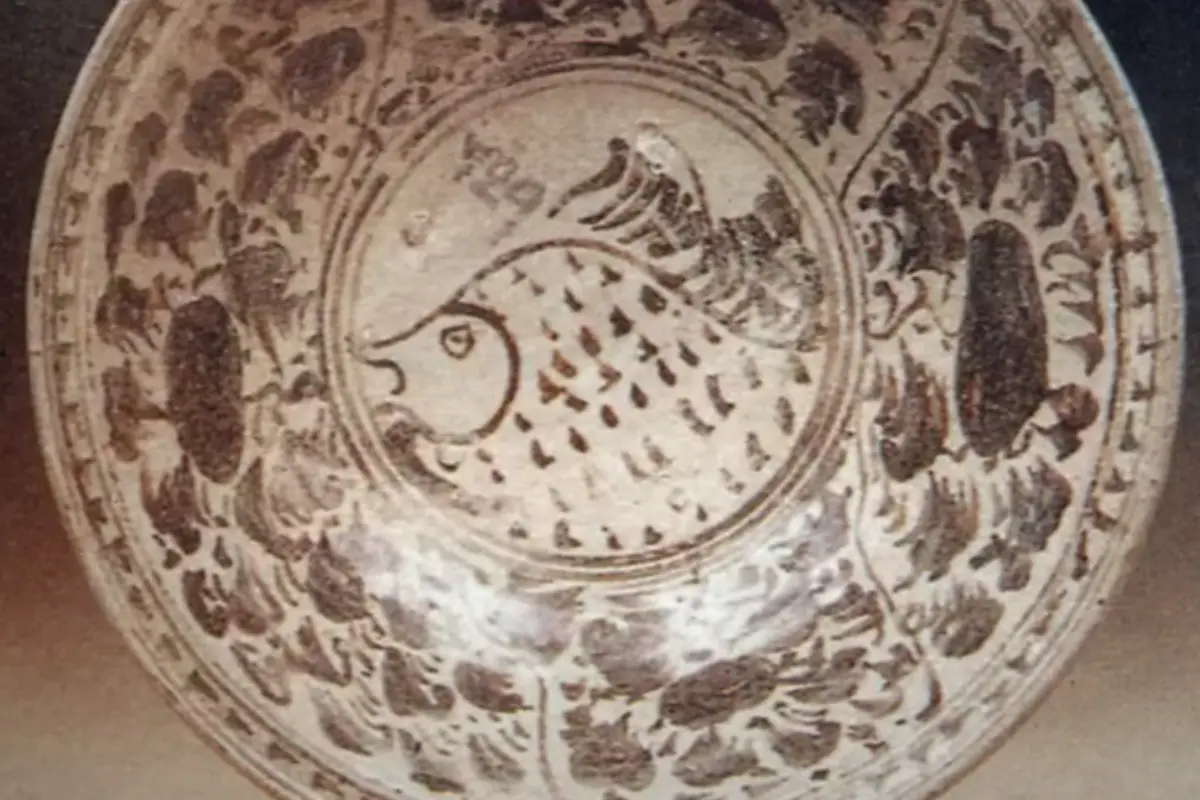
Sattahip Ko Khram Shipwreck
The Sattahip (Ko Khram) Shipwreck, dating to the late 14th or early 15th century, was found off Thailand’s coast with...

Seljuk Empire
The Seljuk Turks were a nomadic pastoral people from the steppes, whose warriors were recruited by other powers as mercenary...

Silk Along the Silk Road
Silk is a beautiful fabric but throughout this period it is only the rich and privileged that had access to...
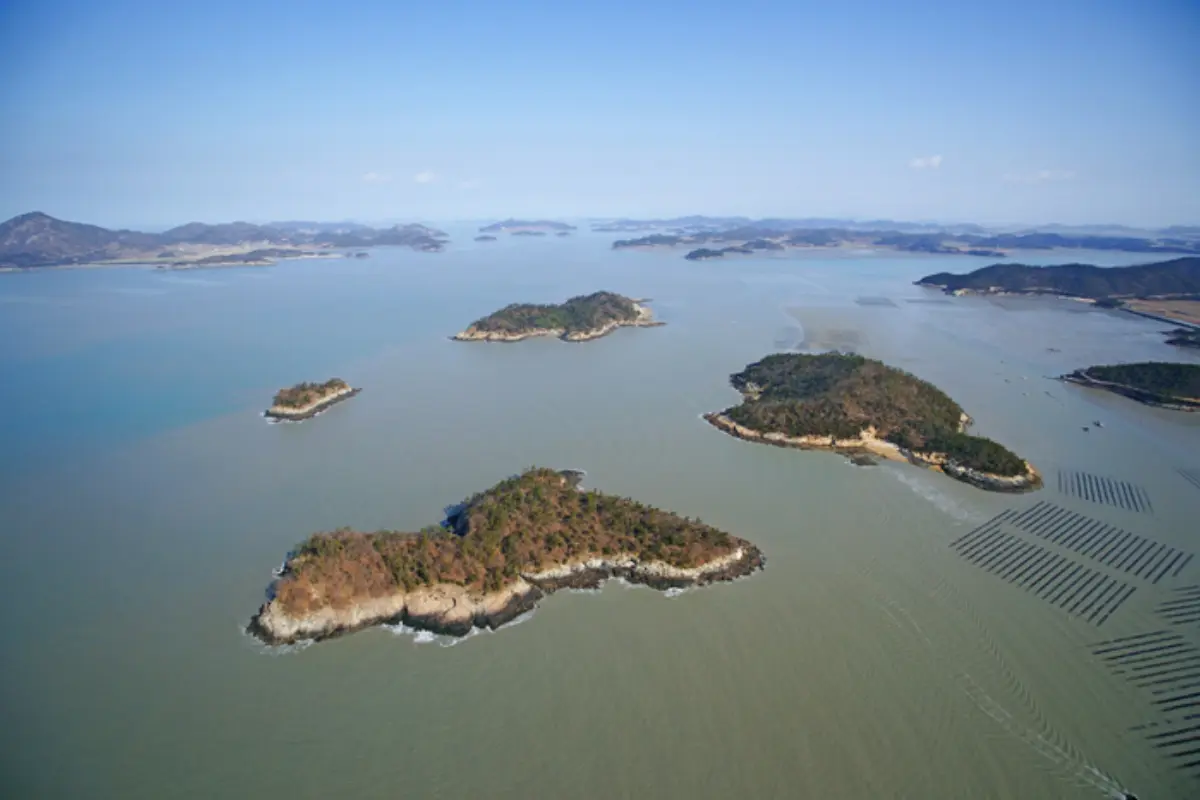
Sinan Shipwreck
The Sinan Shipwreck, discovered off Korea’s southwestern coast in 1975, was a 14th-century Chinese trade vessel bound for Goryeo and...
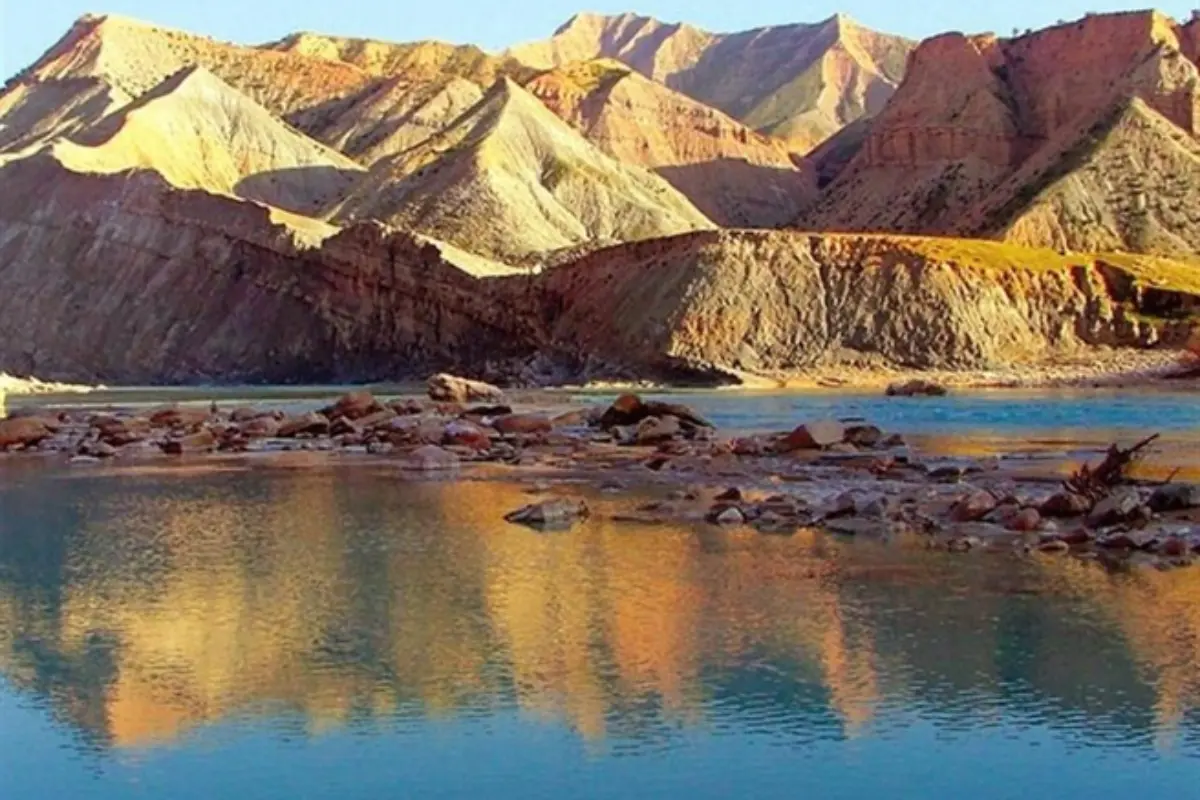
Siraf
Between 750 and 1000 CE, Siraf flourished as a key port on Iran’s Gulf coast, linking the Islamic world with...

Sogdians: Silk Road Traders
The Sogdians were originally an eastern Iranian civilisation but were later concentrated in Central Asia, with Samarkand as the main...

Taiyuan Tombs
The Taiyuan Tombs are a series of tombs discovered in the city of Taiyuan. Each tomb uncovers beautiful panels and...

Tang Dynasty China
The Tang Dynasty (618-907 CE) was a golden age of Chinese art, marked by flourishing painting, ceramics, and sculpture, reflecting...

Tibetan Empire (618-842)
Between 618 and 842 the mountain Kingdom gained control of an Empire that stretched as far North as the oasis...
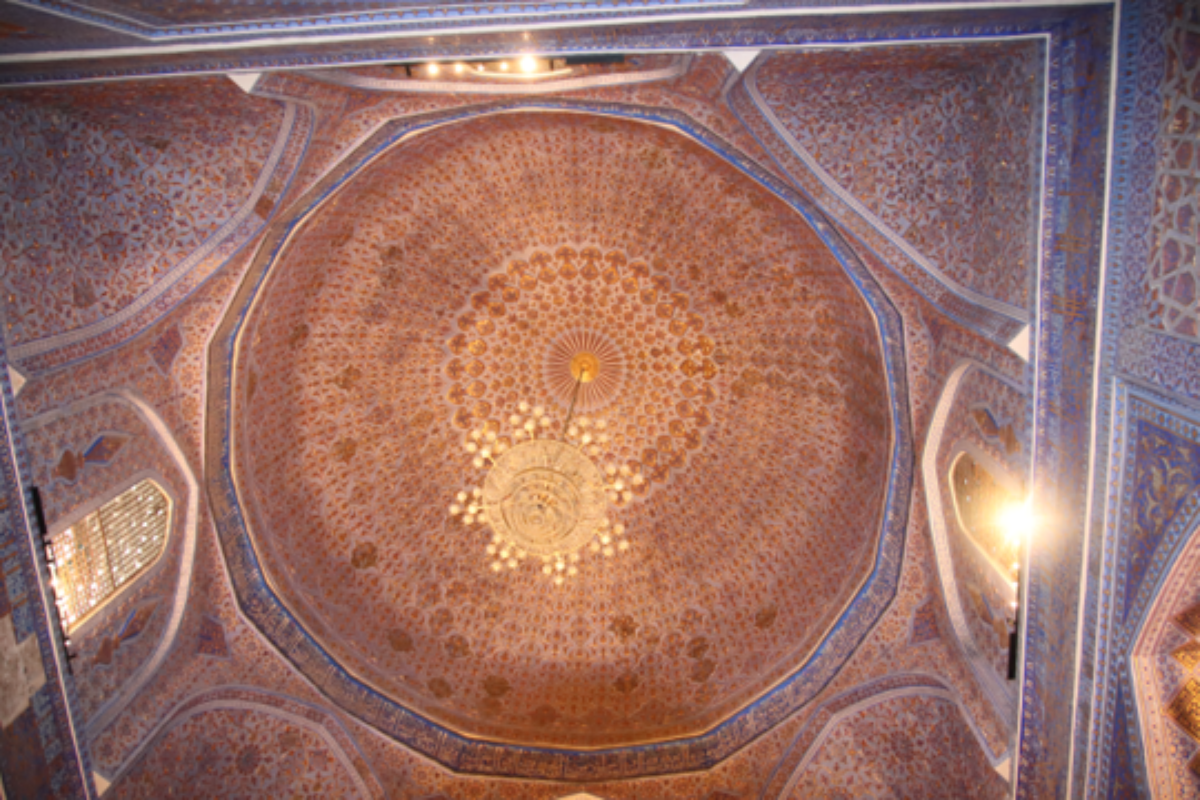
Timurid Empire Samarkand
Even by the standards of the time, Timur’s wars of conquest were particularly murderous but he and his successors promoted...

Umayyad and Abbasid Caliphates (656-1000)
The Umayyad and Abbasid Caliphates were the earliest established after the death of the prophet Mohammad. They flourished from the...

Venice (1261-1450)
Venice reached the peak of its imperial reach at the start of the 13th century with the seizure and sacking...

Vikings in the East
In the 9th-10th centuries Norse traders navigated the Volga and Dnieper Rivers, linking Scandinavia with the Byzantine Empire and Islamic...
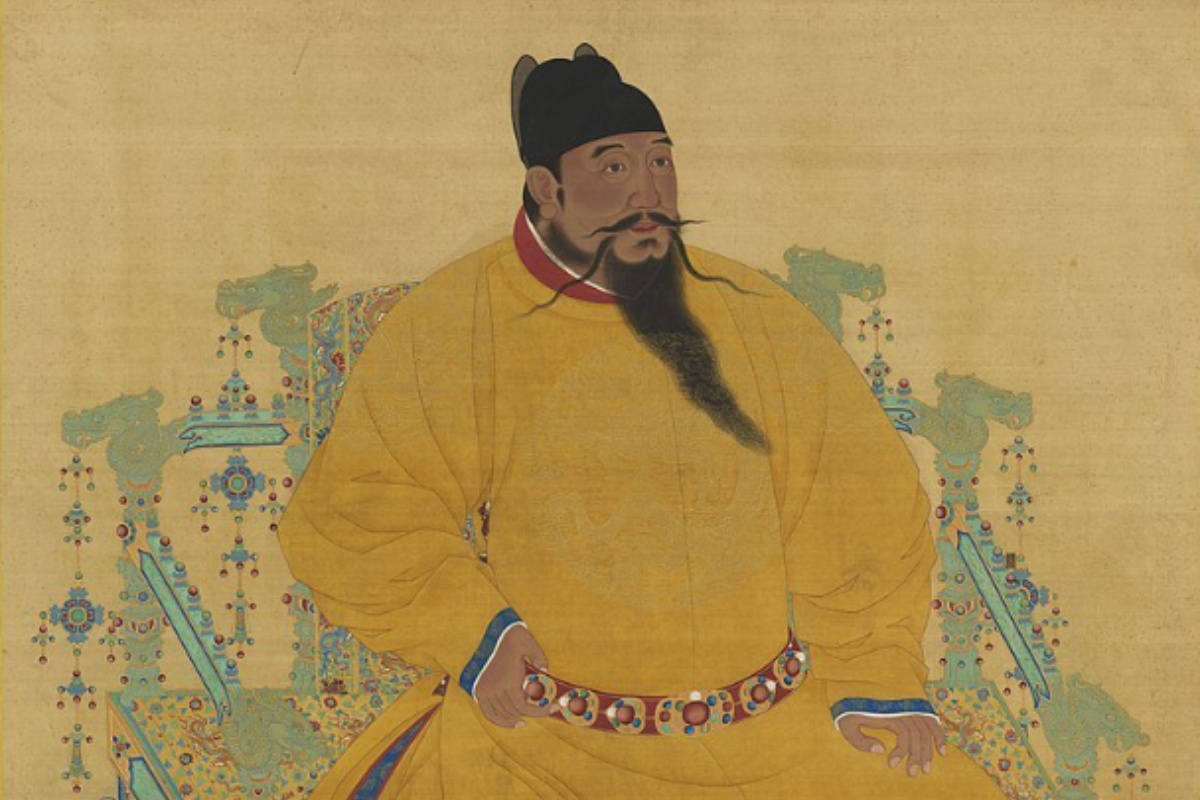
The Yongle Emperor
After seizing the throne in 1402, the Yongle Emperor turned a legitimacy crisis into one of the most powerful reigns...

Yuan Dynasty
Genghis Khan, first conquered the Jin Dynasty. Then, Kublai Khan, captured and ruled China as the Yuan Dynasty. This period...
This is a terrific opportunity to engage global audiences in the histories of Central Asia and the Silk Roads.
One of the things I find so fantastic is that the exhibition is interactive. Another is that it will appeal to both specialists and non-specialists, thanks to the high level of scholarship that underpins not only each individual object but also the collection as a whole.
What Richard has done is fantastic.